If you’ve suffered an Achilles tendon injury, you’re probably asking the same question that thousands of others ask every day: “How long will it take to recover?” The answer isn’t simple, but understanding the typical recovery timeline can help you set realistic expectations and stay motivated throughout your healing journey.
Whether you’re dealing with Achilles tendonitis, a partial tear, or a complete rupture, recovery follows predictable phases. However, your specific timeline will depend on several factors including the severity of your injury, your age, overall health, and whether you choose surgical or non-surgical treatment.
Understanding Achilles Tendon Injuries: Setting the Foundation
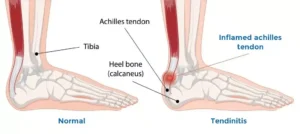
The Achilles tendon is the largest tendon in your body, connecting your calf muscles to your heel bone. It’s incredibly strong—capable of withstanding forces up to 1,100 pounds—but it’s also vulnerable to injury, especially in athletes and active individuals.
There are several types of Achilles tendon injuries, each with different recovery timelines:
- Achilles Tendonitis: Inflammation of the tendon
- Partial Tear (Grade 1-3): Some tendon fibers are torn
- Complete Rupture (Grade 4): The tendon is completely severed
Recovery Timeline Overview: What the Research Shows
Recent studies and clinical data from leading medical centers provide clear insights into Achilles recovery timelines. According to UT Southwestern Medical Center, most Achilles injuries “require a year or longer to fully recover, including rehab.”
Here’s what current medical research tells us about recovery times:
- Mild tendonitis: 2-6 weeks
- Moderate tendonitis: 6-12 weeks
- Partial tears: 4-6 weeks for mild tears, 3-6 months for moderate tears, and 6-9 months for severe partial tears
- Complete ruptures: 6-12 months or longer
Week-by-Week Recovery Timeline: Non-Surgical Treatment
For those pursuing conservative (non-surgical) treatment, here’s what you can typically expect:
Weeks 1-2: Immediate Care and Protection Phase
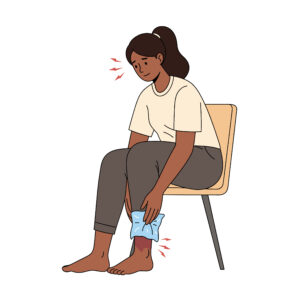
- Primary focus: Rest, ice, compression, elevation (RICE)
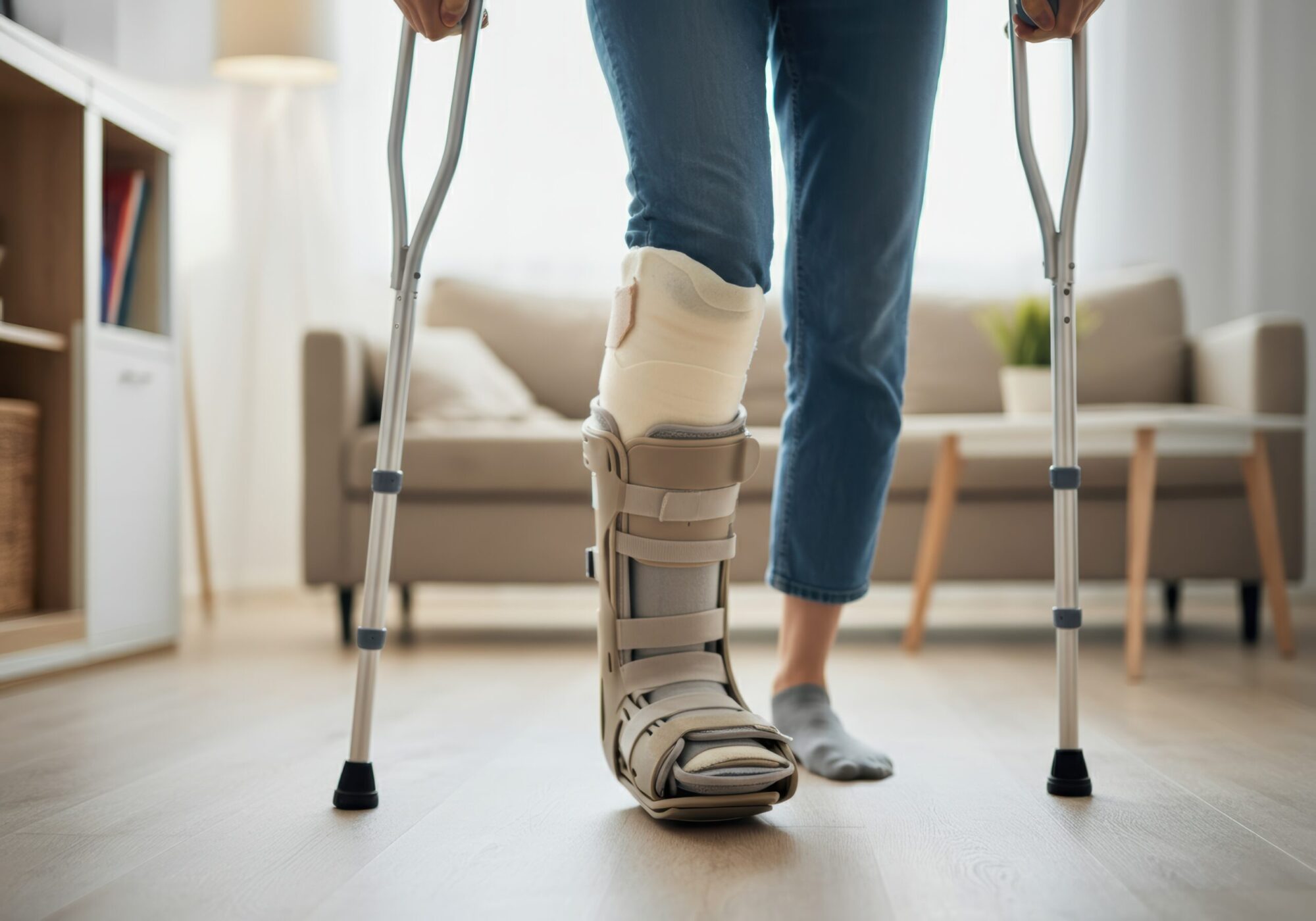
- Mobility: Non-weight bearing with crutches
- Protection: Walking boot or cast in pointed-toe position
- Pain management: Ice application, anti-inflammatory medications
- What to expect: Swelling, bruising, and significant discomfort
Weeks 3-6: Early Mobilization Phase
- Primary focus: Gentle range of motion exercises
- Mobility: Partial weight-bearing as tolerated
- Protection: Gradual boot adjustments to reduce pointed-toe position
- Exercises: Gentle ankle pumps, towel stretches, and non-weight bearing movements
- What to expect: Decreased pain, improved comfort
Weeks 7-12: Progressive Loading Phase
- Primary focus: Strengthening and flexibility
- Mobility: Transition to regular shoes with heel lifts
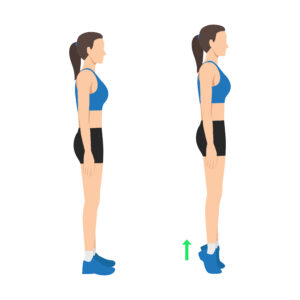
- Exercises: Heel raises, calf stretches, and eccentric strengthening
- Physical therapy: 2-3 sessions per week typically begin
- What to expect: Gradual return to normal walking
Months 4-6: Advanced Rehabilitation Phase
- Primary focus: Return to functional activities
- Exercises: Advanced strengthening, proprioception training
- Activities: Light jogging may begin (with medical clearance)
- What to expect: 80-90% of normal function returned
Months 6-12: Return to Sports Phase
- Primary focus: Sport-specific training
- Activities: Gradual return to running, jumping, cutting movements
- Monitoring: Ongoing assessment of strength and function
- What to expect: Return to pre-injury activity levels
Week-by-Week Recovery Timeline: Surgical Treatment
Surgical repair typically follows a more structured timeline. According to Minnesota Valley Surgery Center, “a complete recovery can take at least 8 months or more if the patient wants to resume sporting activities.”
Day of Surgery – Week 2: Immediate Post-Operative Phase
- Immobilization: Cast or boot in pointed-toe position
- Weight-bearing: Non-weight bearing with crutches
- Focus: Wound healing and pain management
- What to expect: Significant discomfort, swelling, limited mobility
Weeks 2-6: Protected Mobilization Phase
- Boot adjustments: Gradual reduction of pointed-toe position
- Weight-bearing: Partial weight-bearing begins around week 4-6
- Range of motion: Gentle ankle movements within boot range
- What to expect: Improved comfort, beginning mobility
Weeks 6-12: Active Rehabilitation Phase
- Transition: Full weight-bearing by 6 weeks, regular shoes with heel lifts by 8 weeks
- Physical therapy: Formal PT begins
- Exercises: Progressive strengthening and flexibility work
- What to expect: Significant functional improvement
Months 3-6: Advanced Rehabilitation Phase
- Strength training: Single-leg stance control, functional movements
- Activities: Return to low-impact activities
- Assessment: Regular progress evaluations
- What to expect: Near-normal daily function
Months 6-12: Return to Sport Phase
- Sport-specific training: Progressive return to demanding activities
- Performance testing: Strength and agility assessments
- Full clearance: Most rehabilitation programs aim for return to sport around 6 months

Factors That Influence Your Recovery Timeline
Several factors can significantly impact how quickly you recover:
Age and Overall Health
Younger, active people recover more quickly, while conditions like diabetes or poor circulation can slow healing.
Injury Severity
The extent of tendon damage is the primary determinant of recovery time. Complete ruptures naturally take longer than partial tears or tendonitis.
Treatment Approach
While surgical and non-surgical treatments can both be successful, surgical repair generally allows for a more predictable timeline and lower risk of re-injury.
Compliance with Treatment
Following your healthcare provider’s instructions precisely—especially regarding weight-bearing restrictions and exercise progression—significantly impacts your outcome.
Warning Signs: When Recovery Isn’t Going as Expected
While recovery timelines vary, certain signs may indicate complications or the need for treatment adjustments:
- Increasing pain after initial improvement
- Inability to bear weight as expected
- Persistent significant swelling
- Signs of infection (redness, warmth, discharge)
- No improvement in range of motion by expected timeframes
Contact your provider immediately if you experience worsening symptoms or signs of complications.
Real Recovery Stories: What Patients Experience
Understanding the emotional journey is just as important as knowing the physical timeline. Recent recovery blog posts from 2025 reveal the day-to-day reality of Achilles recovery:
“I keep reminding myself that recovering from an Achilles tendon injury is a very long-term process. Though my progress has been great, I can’t take for granted the severity of this injury. Patience must be at the forefront every minute of every day.”
This perspective highlights the mental aspect of recovery—maintaining patience and realistic expectations throughout the lengthy healing process.
Maximizing Your Recovery: Evidence-Based Tips
Research shows several strategies can optimize your recovery:
Follow the 10% Rule
Gradually increase your exercise load by 10% each week to avoid setbacks.
Prioritize Eccentric Exercises
Research confirms that eccentric exercise is more effective than other exercises for mid-portion Achilles tendinopathy.
Don’t Rush the Process
Rushing back into exercise too soon increases the risk of re-injury and can extend your overall recovery time.
Maintain Overall Fitness
Focus on activities you can do safely, such as upper body workouts, swimming (when cleared), or stationary cycling.
The Road Ahead: Life After Achilles Recovery
Complete recovery from an Achilles tendon injury is achievable, but it requires patience, dedication, and realistic expectations. The healed tendon will likely remain thicker than before, and the calf muscle may be slightly smaller, but most people return to their previous activity levels.
Remember that recovery is rarely linear—you’ll have good days and challenging days. The key is to stay consistent with your treatment plan, communicate openly with your healthcare team, and celebrate the small victories along the way.

Key Takeaways
- Achilles tendon recovery typically takes 6-12 months for complete ruptures, with partial tears healing in 4 weeks to 6 months depending on severity
- Both surgical and non-surgical treatments can be successful, but surgical repair often provides more predictable timelines
- Recovery follows predictable phases, but individual timelines vary based on multiple factors
- Following your treatment plan precisely is crucial for optimal outcomes
- Patience and realistic expectations are essential for successful recovery
If you’re currently recovering from an Achilles tendon injury, remember that thousands of others have successfully navigated this journey before you. With proper treatment, dedication to rehabilitation, and time, you can return to the activities you love.
This information is for educational purposes only and should not replace professional medical advice. Always consult with your healthcare provider for personalized treatment recommendations and timeline expectations.
Sources: This article references current medical literature and guidelines from leading institutions including Johns Hopkins Medicine, Mayo Clinic, UT Southwestern Medical Center, and peer-reviewed research from 2023-2025.